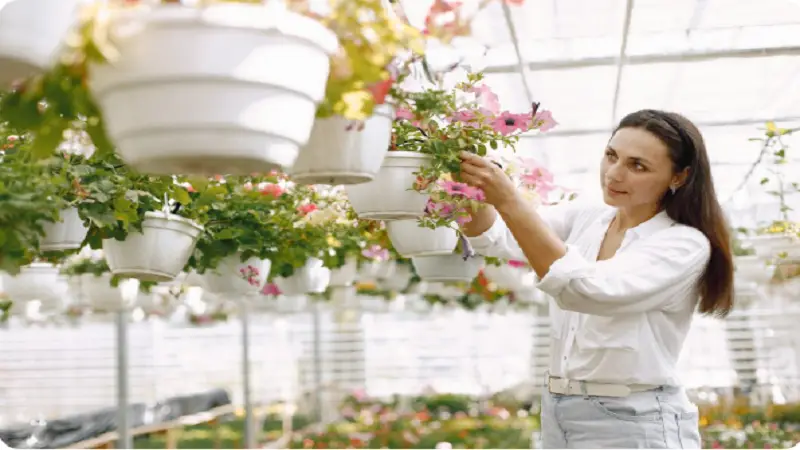
A beautiful garden can completely transform the appearance of a home. Whether you have a large backyard, a small patio, or a compact outdoor corner, the right gardening techniques can help you create an inviting and relaxing environment. This is why many homeowners search for garden tips decoradhouse to find inspiration for improving their outdoor spaces.
Gardening is about more than planting flowers and watering shrubs. It involves planning, creativity, maintenance, and understanding how different plants interact with their environment. A well-designed garden not only improves curb appeal but also creates a peaceful space where family members can relax and enjoy nature.
The popularity of home improvement and outdoor living trends has increased significantly in recent years. As more people spend time at home, interest in practical garden ideas continues to grow. Understanding the best garden tips can help homeowners create an outdoor area that is both beautiful and functional.
Why Garden Design Matters
A thoughtfully designed garden adds value to a property and enhances the overall appearance of the home. Many people focus heavily on interior decoration while overlooking their outdoor spaces. However, a well-maintained garden creates a strong first impression and contributes to a welcoming atmosphere.
Good garden design combines aesthetics with functionality. The goal is to create a space that looks attractive while meeting practical needs. Whether the purpose is relaxation, entertaining guests, growing vegetables, or creating a family-friendly environment, proper planning is essential.
Modern garden design often emphasizes simplicity, sustainability, and ease of maintenance. Homeowners increasingly seek solutions that allow them to enjoy beautiful landscapes without requiring excessive time and effort.
Start with a Clear Garden Plan
One of the most important garden tips decoradhouse enthusiasts recommend is creating a clear plan before beginning any landscaping project. A garden plan helps homeowners determine how to use available space effectively.
Start by evaluating the size of the area, sunlight exposure, soil quality, and existing features. Consider how different sections of the garden will be used. Some areas may be dedicated to flowers, while others may serve as seating spaces or vegetable gardens.
Creating a layout before purchasing plants and materials can prevent costly mistakes and ensure a more organized design process.
Choose Plants That Match Your Environment
Selecting suitable plants is one of the most important decisions in gardening. Different plants thrive under different conditions, making it essential to choose varieties that match the local climate and growing environment.
Native plants are often a smart choice because they are naturally adapted to local conditions. They typically require less water, fewer fertilizers, and reduced maintenance compared to non-native species.
Homeowners should also consider seasonal changes when selecting plants. Combining flowers, shrubs, and greenery that bloom at different times can help maintain visual interest throughout the year.
Create Layers for Visual Appeal
Professional garden designers often use layering techniques to create depth and balance. Layering involves placing taller plants in the background, medium-sized plants in the middle, and shorter plants near the front.
This approach creates a more natural appearance and allows each plant to remain visible. Layering also helps maximize the use of space while adding dimension to the landscape.
By combining different heights, textures, and colors, homeowners can create gardens that appear more sophisticated and professionally designed.
Add Functional Outdoor Features
A successful garden is not only attractive but also practical. Adding functional elements can significantly improve the usability of outdoor spaces.
Popular features include:
- Garden pathways
- Outdoor seating areas
- Decorative lighting
- Water features
- Pergolas and shade structures
- Raised garden beds
These additions help create a more enjoyable environment while increasing the overall value of the property.
Many homeowners use their gardens as outdoor living spaces, making functionality just as important as appearance.
Focus on Sustainable Gardening
Sustainability has become an important aspect of modern gardening. Environmentally friendly practices can reduce maintenance costs while supporting local ecosystems.
Some sustainable gardening strategies include:
- Collecting rainwater for irrigation
- Using organic compost
- Planting drought-resistant species
- Reducing chemical pesticide use
- Encouraging pollinators such as bees and butterflies
These practices benefit both the garden and the surrounding environment while helping homeowners create healthier outdoor spaces.
Improve Soil Health
Healthy soil is the foundation of every successful garden. Even the most beautiful plants may struggle if the soil lacks essential nutrients.
Regularly adding compost and organic matter can improve soil structure and fertility. Healthy soil supports stronger root systems, improves water retention, and enhances overall plant growth.
Testing soil conditions can also help identify nutrient deficiencies and allow gardeners to make informed improvements.
Use Garden Lighting Strategically
Outdoor lighting can dramatically enhance a garden’s appearance after sunset. Well-placed lighting highlights landscaping features, improves safety, and extends the usability of outdoor spaces during the evening.
Solar-powered lights have become increasingly popular because they are energy-efficient and easy to install. Pathway lights, accent lighting, and decorative lanterns can all contribute to a warm and inviting atmosphere.
Lighting also allows homeowners to enjoy their gardens long after daylight hours have ended.
Maintain Your Garden Consistently
Even the most beautiful garden requires regular maintenance. Consistent care helps preserve plant health and prevents small problems from becoming major issues.
Basic maintenance tasks include watering, pruning, weeding, fertilizing, and monitoring for pests. Establishing a routine can make garden care more manageable and help maintain a healthy landscape throughout the year.
Regular maintenance also allows gardeners to identify opportunities for improvement and adapt to changing seasonal conditions.
Garden Trends for Modern Homes
Contemporary gardening trends emphasize simplicity, functionality, and sustainability. Many homeowners prefer clean lines, low-maintenance plants, and outdoor spaces that blend seamlessly with home architecture.
Popular trends include vertical gardens, container gardening, edible landscapes, and eco-friendly landscaping solutions. These approaches allow homeowners to maximize space while creating visually appealing environments.
As outdoor living continues to gain popularity, innovative garden designs are expected to play an increasingly important role in residential property improvement.
Conclusion
Garden tips decoradhouse continues to be a valuable topic for homeowners seeking practical ways to improve their outdoor spaces. A successful garden combines thoughtful planning, suitable plant selection, functional features, and ongoing maintenance.
Whether you are creating a new landscape or upgrading an existing garden, focusing on sustainability, design balance, and usability can help achieve long-lasting results. By applying proven gardening principles and adapting them to your specific environment, you can transform any outdoor area into a beautiful and relaxing retreat.