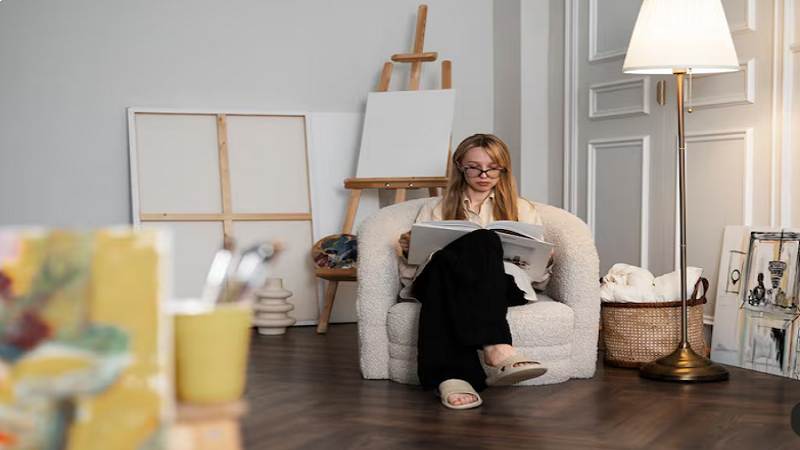
A comfortable and attractive home is not only about expensive furniture or luxurious decorations. It is about creating a space that reflects personal taste, supports everyday activities, and makes people feel relaxed. Good home decoration combines creativity, planning, comfort, and functionality. Even small changes can improve the appearance of a room and make it more enjoyable.
Many homeowners and renters look for simple decorating guidance because they want to improve their surroundings without spending too much money. They may want to refresh a living room, organize a small bedroom, update a kitchen, or make an outdoor area more welcoming. Understanding basic design principles can make these projects easier and help people avoid unnecessary expenses.
The search term decoratoradvicecom is associated with interest in home decoration and practical design guidance. Exploring this subject can help readers understand how to plan their spaces, select suitable colors, arrange furniture, and make thoughtful improvements.
Understanding the Basics of Home Decoration
Home decoration involves arranging and selecting different elements to create a balanced living environment. These elements include furniture, lighting, wall colors, flooring, curtains, artwork, and decorative accessories.
A successful decorating project begins with understanding the purpose of a room. For example, a living room should provide comfortable seating and enough space for movement. A bedroom should support rest and relaxation, while a kitchen needs practical storage and an organized working area.
Before purchasing new items, consider the room’s size, natural light, existing furniture, and daily requirements. This simple planning process helps prevent overcrowding and ensures that every decorative choice has a purpose.
Choosing the Right Color Combinations
Color is one of the most important parts of interior design. It can influence the appearance and atmosphere of a room. Light shades such as white, cream, and soft gray can make smaller spaces feel brighter and more open. Darker colors can create depth and add a sense of warmth when used carefully.
A practical approach is to select one main color and combine it with two or three supporting shades. Neutral colors work well as a foundation because they can be paired with different furniture styles and accessories.
Accent colors can introduce personality without overwhelming the room. For example, colorful cushions, rugs, paintings, or curtains can add interest to a neutral living space. Before painting an entire room, test a small sample on the wall and observe how it looks under natural and artificial lighting.
Making Furniture Placement More Effective
Furniture placement affects both the appearance and functionality of a room. Even beautiful furniture may make a space uncomfortable if it blocks pathways or creates unnecessary clutter.
Start by measuring the room and identifying important areas such as doors, windows, and electrical outlets. Arrange larger furniture pieces first, then add smaller items according to the available space.
In a living room, seating should encourage conversation while allowing people to move comfortably. In a bedroom, leave enough space around the bed for easy access. In smaller homes, multifunctional furniture such as storage beds, folding tables, and compact shelves can help save valuable space.
Avoid placing too many furniture pieces in one area. A room often looks more attractive when it has enough open space.
Improving Lighting in Every Room
Lighting plays an important role in creating a comfortable home. A well-lit room can appear larger, cleaner, and more welcoming. Good lighting also supports everyday tasks such as reading, cooking, studying, and working.
Natural light should be used whenever possible. Keep windows clean and avoid placing large objects where they unnecessarily block sunlight. Light curtains can provide privacy while allowing daylight to enter.
Artificial lighting can be divided into three useful types:
- Ambient lighting: Provides general illumination throughout a room.
- Task lighting: Supports specific activities, such as reading or preparing food.
- Accent lighting: Highlights artwork, architectural details, or decorative features.
Combining these lighting types creates a more flexible environment. Select bulbs according to the room’s purpose and check their brightness and color temperature before buying them.
Decorating Small Spaces Without Creating Clutter
Small rooms require thoughtful planning because every item occupies valuable space. However, limited space does not mean that a home cannot look stylish or comfortable.
Use furniture that fits the room instead of choosing oversized pieces. Wall-mounted shelves can provide storage without taking up floor space. Mirrors may help reflect light and create a more open visual effect.
Keeping surfaces organized is equally important. Store frequently used objects in accessible places and move unnecessary items out of the room. Choose a consistent color palette to create a connected appearance.
Vertical storage is another useful solution. Tall shelves, wall hooks, and hanging organizers can make better use of available wall space. The goal is to create a room that feels open while still meeting practical needs.
Adding Personal Style Through Accessories
Decorative accessories help turn a house into a personal living space. Items such as cushions, rugs, family photographs, plants, books, and artwork can reflect individual interests and memories.
However, accessories should be selected carefully. Too many decorative objects can make a room look crowded and difficult to maintain. Choose a few meaningful pieces and arrange them in a balanced way.
Artwork can become a focal point when placed at an appropriate height. Rugs can help define seating areas, while cushions introduce texture and color. Indoor plants may also add freshness, provided they receive suitable light and care.
Personal decoration does not require following every popular trend. The most successful choices are those that match the household’s lifestyle and preferences.
Creating a Comfortable and Functional Bedroom
A bedroom should be a peaceful place where people can relax. Its decoration should focus on comfort, organization, and a calm atmosphere.
Begin with a suitable bed and mattress because these are central to everyday comfort. Select bedding that feels comfortable and complements the room’s color scheme. Soft lighting can help create a relaxing environment, while bedside tables provide convenient storage.
Closet organizers, storage boxes, and under-bed compartments can reduce clutter. Keep frequently used belongings easy to reach and avoid filling every available surface with decorative objects.
Curtains or blinds should provide the level of privacy and light control needed for the room. Simple design choices often work better than complicated arrangements.
Making the Kitchen More Organized
The kitchen is one of the busiest areas of a home. Its design should support safe movement, easy cleaning, and efficient food preparation.
Start by organizing cabinets and drawers according to how frequently items are used. Keep everyday cooking tools within easy reach and store less frequently used equipment in less accessible areas.
Good lighting is essential, especially around work surfaces. Select materials that are suitable for kitchen conditions and easy to clean. Countertops should remain as clear as possible to provide enough working space.
Open shelves can display attractive dishes or jars, but they require regular organization. If maintenance is a concern, closed cabinets may be a more practical choice.
Budget-Friendly Home Improvement Ideas
Improving a home does not always require a major renovation. Small, affordable updates can make a noticeable difference when they are selected thoughtfully.
Consider these practical ideas:
- Rearrange existing furniture to create a fresh layout.
- Replace old cushion covers with new colors or textures.
- Add curtains that complement the room’s design.
- Paint one wall to create a simple accent feature.
- Use storage baskets to organize everyday belongings.
- Refresh old furniture with suitable paint or new handles.
- Add low-maintenance indoor plants where conditions allow.
Before starting a project, set a realistic budget. Separate essential repairs from optional decorative purchases. For electrical, plumbing, structural, or other safety-related work, consult a qualified professional rather than relying only on general decorating advice.
Bringing Outdoor Areas into the Design
Outdoor spaces deserve attention because they can provide additional areas for relaxation and social activities. A balcony, patio, garden, or small yard can become more inviting with a few practical improvements.
Begin by cleaning the area and deciding how it will be used. A small balcony might need compact seating and a few suitable plants, while a larger garden could include separate areas for dining and relaxation.
Choose outdoor furniture made for the local weather conditions. Materials should be durable and easy to maintain. Plants should also be selected according to sunlight, temperature, available space, and watering requirements.
Outdoor lighting can improve visibility and create a pleasant atmosphere in the evening. Always use fixtures designed for outdoor conditions and follow relevant electrical safety guidance.
Keeping a Home Clean and Well Maintained
Decoration is not complete without regular maintenance. Dust, damaged surfaces, clutter, and neglected furniture can reduce the appearance of even a well-designed room.
Create a simple cleaning routine for different areas of the home. Clean frequently touched surfaces, wash textiles when needed, and inspect furniture for loose parts or damage.
Check for moisture problems, leaks, and signs of pests. These issues should be addressed early because they can affect both the appearance and condition of a property.
Regular maintenance also helps protect the value of furniture, flooring, appliances, and other household investments.
How to Plan a Successful Decorating Project
A clear plan makes home improvement easier and reduces the risk of wasted money. Start by identifying the main problem you want to solve. It could be limited storage, poor lighting, outdated colors, or uncomfortable furniture placement.
Next, collect ideas and decide which ones are suitable for your space. Consider measurements, household needs, available materials, and budget. Make a list of necessary purchases before visiting stores or ordering products.
Complete projects in a sensible order. Repairs and preparation should generally come before painting, furniture arrangement, and decorative accessories. This approach helps prevent damage to newly finished areas.
The ideas connected with decoratoradvicecom can be explored as part of a wider effort to understand practical decorating principles. The important point is to adapt general inspiration to the actual needs, dimensions, and conditions of your home.
Common Home Decorating Mistakes to Avoid
Some decorating mistakes can make a room less practical even when individual items look attractive.
One common problem is buying furniture without measuring the available space. Large pieces can block walkways and make rooms feel crowded. Another mistake is choosing colors without considering lighting conditions.
Overusing decorative accessories can also create visual clutter. Similarly, ignoring storage needs may result in a room that looks attractive initially but becomes difficult to organize.
Following trends without considering personal comfort is another issue. A design may look impressive in photographs but may not suit everyday life. Always prioritize practical needs, durability, and personal preferences.
Frequently Asked Questions
1. What is the main purpose of home decoration?
The main purpose of home decoration is to create a comfortable, attractive, and functional living environment. It combines colors, furniture, lighting, textures, and accessories to make spaces more useful and personal.
2. How can I decorate my home on a limited budget?
You can start by rearranging existing furniture, changing cushion covers, adding affordable plants, organizing storage, and refreshing selected walls. Planning purchases in advance can help prevent unnecessary spending.
3. Which colors are suitable for small rooms?
Light and neutral shades such as white, cream, beige, and soft gray can help small rooms feel brighter and more open. You can introduce stronger colors through accessories or a carefully selected accent wall.
4. How can I make my living room look more organized?
Choose furniture that fits the available space, keep walkways clear, use suitable storage, and limit unnecessary decorations. Arrange seating to support conversation and maintain a balanced layout.
5. Why is lighting important in interior design?
Lighting affects visibility, comfort, and the overall atmosphere of a room. Combining natural light with ambient, task, and accent lighting can make a space more practical and visually appealing.
Conclusion
A beautiful home is created through thoughtful decisions rather than expensive purchases. Understanding color combinations, furniture placement, lighting, storage, and personal style can help anyone improve their living environment. Small changes can make rooms more comfortable, organized, and attractive when they are planned carefully.
The ideas associated with decoratoradvicecom reflect a broader interest in practical home decoration and accessible design guidance. By considering personal needs, available space, maintenance requirements, and budget, homeowners and renters can make improvements that provide lasting value. The best decorating approach is one that balances appearance with everyday comfort and functionality Seemore:decoradhousetips.com